Decarbonization starts here: stop wasting energy you already produce
Decarbonization in industry increasingly depends on steam system energy efficiency, as rising energy costs and regulatory pressure reshape how energy is used worldwide.
While much of the discussion focuses on new technologies and major capital investments, one of the most effective decarbonization opportunities is often overlooked: improving steam system energy efficiency by reducing existing energy losses.
For facilities that rely on steam, this represents an immediate, practical, and measurable path toward lower emissions.
Steam Systems: Essential but Often Inefficient
Steam remains a critical utility across many industries. It is reliable, controllable, and highly effective for process heating. However, in real-world operation, steam systems rarely perform at peak efficiency.
Common sources of steam system energy loss include:
Uninsulated or poorly insulated valves, flanges, and fittings
Insulation removed for maintenance and never properly reinstalled
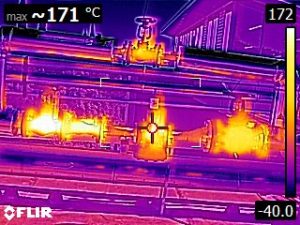
Radiant heat loss from high-temperature components
Limited visibility into cumulative system losses
Individually, these losses may appear minor. Across an entire facility, they accumulate into substantial wasted energy—directly increasing fuel consumption and CO₂ emissions.
Steam System Energy Efficiency as a Practical Decarbonization Strategy
Decarbonization is often described as a journey. If so, energy efficiency principles represent the most logical starting point.
Improving steam system energy efficiency delivers multiple benefits:
Reduced fuel consumption
Lower CO₂ emissions
Lower operating costs
Improved workplace safety through reduced surface temperatures
Minimal capital investment compared to system replacement
Fast and measurable payback
In many cases, insulation improvements recover their cost within months rather than years, making loss reduction one of the lowest-risk, highest-return decarbonization actions available.
The Hidden Impact of Small Steam Losses
In practice, steam system energy efficiency is often undermined by many small but continuous heat losses from uninsulated valves, flanges, and fittings across steam systems.
Now multiply that loss across:
Dozens or hundreds of valves
Flanges and strainers
Pressure-reducing valve stations
Heat exchangers
Manways, boiler doors, and associated piping
The cumulative effect can represent a meaningful share of a plant’s total energy footprint. The encouraging reality is that these losses are predictable, measurable, and correctable.
Insulation as a Decarbonization Tool
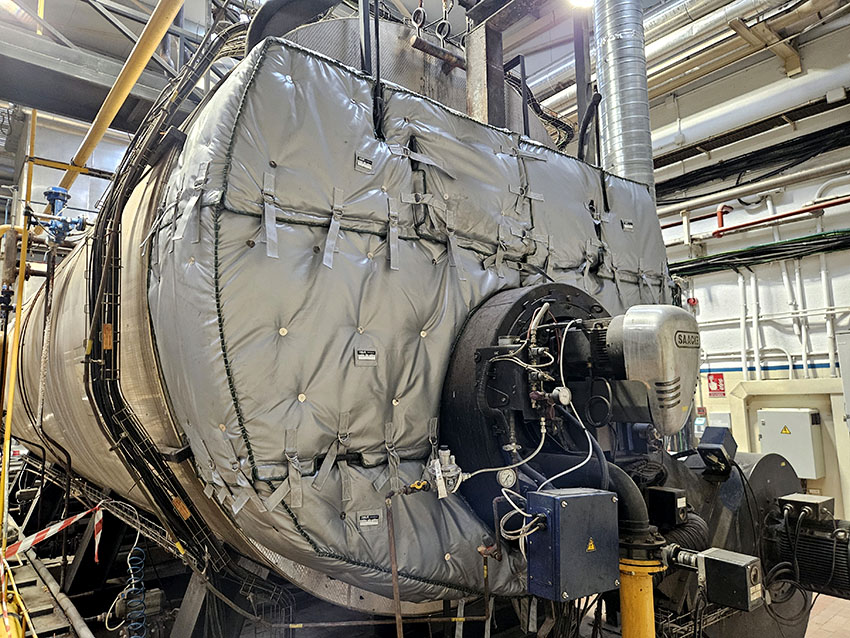
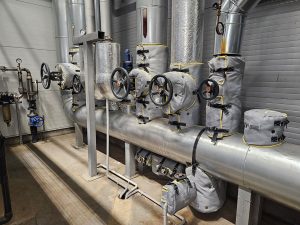
Modern removable insulation systems allow complex steam components to be insulated without restricting maintenance access.
When properly designed, steam insulation solutions provide:
✔ Consistent thermal performance
✔ Easy removal and reinstallation
✔ Long service life
✔ Improved safety and surface protection
✔ Verifiable energy and CO₂ savings
Most importantly, they enable facilities to reduce emissions using existing infrastructure, without major system modifications.
From Insight to Action: Fast ROI and Measurable CO₂ Reduction
Uninsulated valves, flanges, and fittings can radiate large amounts of heat. Properly designed insulation can reduce these losses by up to 90% compared to bare surfaces.
As a result, insulation upgrades typically achieve payback periods of 6–12 months, depending on operating temperature, hours of operation, and energy costs.
This is why steam system energy efficiency is often prioritized as one of the first steps in industrial decarbonization—delivering fast ROI while achieving measurable and lasting CO₂ reduction.
How TAS Blanket Insulation Supports Steam System Energy Efficiency
We work with industrial partners to identify and reduce avoidable heat losses in steam and process systems.
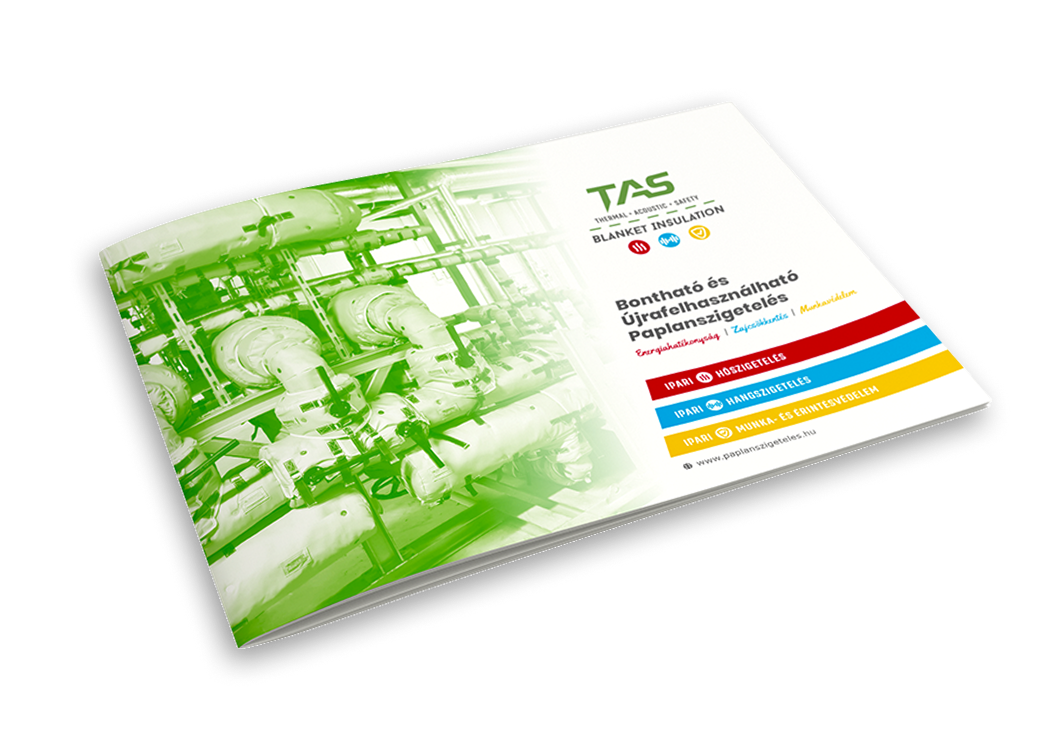
Our focus is on custom-designed, removable and reusable insulation solution for valves, fittings, and complex equipment—areas where traditional insulation is often missing, damaged, or removed during maintenance.
What makes this approach effective is not only the insulation itself, but the engineering behind it. Heat-loss calculations, application-specific design, and long-term durability all contribute to delivering real, verifiable energy savings.
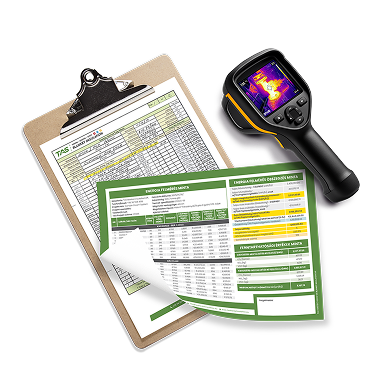
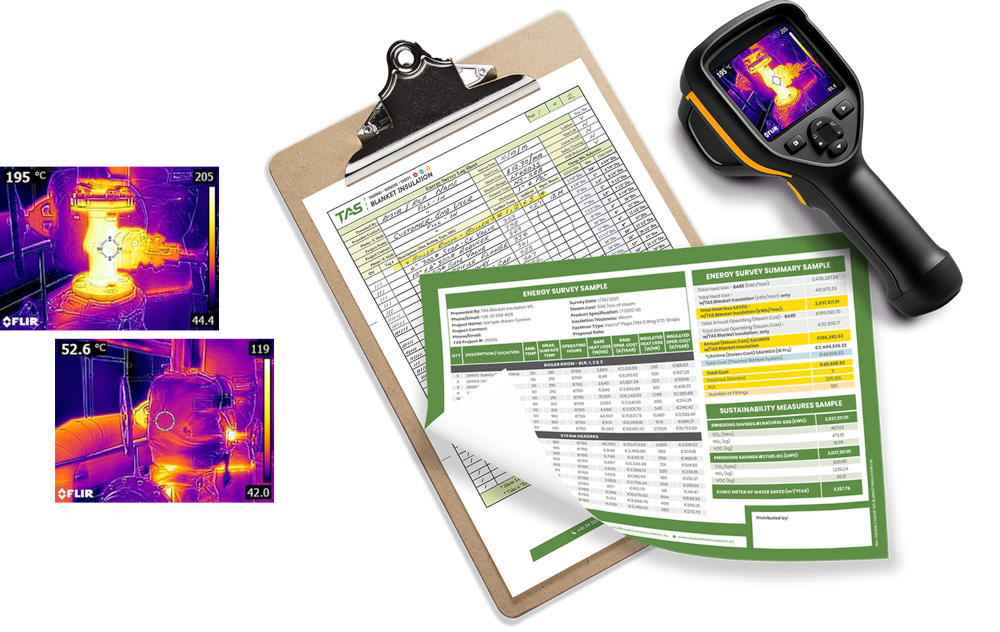
To support data-driven decisions, we also provide complimentary heat-loss and payback calculations, helping facilities understand where the greatest efficiency gains can be achieved.
Conclusion: The Easiest Energy to Decarbonize Is the Energy You Never Waste
Decarbonization does not always begin with large-scale transformation. Often, it begins with optimization.
Before changing how energy is produced, it makes sense to ensure that existing energy is used efficiently and responsibly. Improving steam system energy efficiency is one of the fastest, most reliable ways to reduce emissions, lower costs, and improve operational performance.
Because in the end, the energy you never waste is the easiest energy to decarbonize.
Why choose TAS Blanket Insulation's precision-sized industrial insulation solution?
Our company, TAS Blanket Insulation Kft., offers high-quality, individually designed and manufactured "removable and reusable insulation blankets" worldwide. Our products are manufactured at our plant in eastern Hungary, where we focus on durability, precise fit, and long-term industrial use, all at an outstanding price-performance ratio.
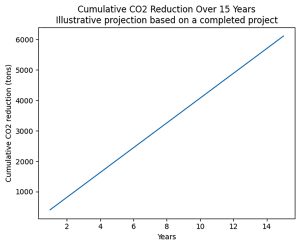
Thanks to this, our customers can make investments that can pay for themselves in a single winter season, while the high-quality construction ensures continuous energy and cost savings for 15+ years.
With nearly four decades of experience, we manufacture precision-sized industrial hoist insulation, which we offer for a wide range of applications in many areas of industry. You can read more about this in the THERMAL ISNULATION / STEAM SYSTEMS section of our website.
See some more example projects on the ENERGY SAVINGS subpage, where the rate of return on investment is also quantified.
If we can help you, please contact us or request a free TAS Energy Audit today.
Excessive noise from pressure reducing valves (PRVs) and control valves is a common challenge in industrial facilities. In many cases, this noise is accepted as normal operation — yet excessive sound levels can negatively affect working conditions, communication, and overall comfort around critical equipment. Because these valves regulate pressure and flow, noise generation is often […]
In chemical processing facilities, insulation must provide more than basic heat loss reduction. Chemical processing insulation plays a critical role not only in improving thermal efficiency, but also in protecting personnel, equipment, and surrounding infrastructure when hazardous or aggressive process media are involved. This project demonstrates how custom removable insulation jackets can deliver both safety […]
Outdoor steam valves, flanges, and other steam fittings on industrial systems can lose significant amounts of heat throughout the year. Under typical conditions, insulating these components can pay for itself within 4–8 months. However, when winter arrives and ambient temperatures drop, heat loss increases even more — often shortening the payback period so much that […]